Built for Lasting Rides, Crafted with Precision.
Explore the art of equestrian craftsmanship with Arreos’ blog, unveiling the meticulous hand-stitching, sustainable leather, and innovative designs behind our Bridle, Halter, Saddles, Boots, and tacks. Dive into stories of our Kanpur artisans and tips for riders, crafted for global excellence.
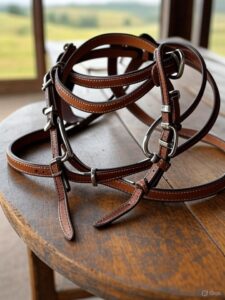
Leather Horse Bridle: The Masterpiece of Equestrian Control and Style
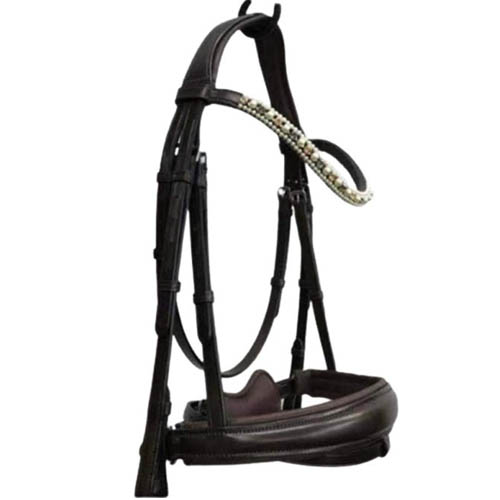
A leather horse bridle is an essential piece of equestrian tack, serving as the rider’s primary tool for communicating with the horse while adding a touch of timeless elegance to the ensemble. Crafted with precision and care, a high-quality leather bridle ensures both functionality and durability, making it a cornerstone for riders across disciplines. Let’s explore the world of leather horse bridles, their components, types, and why they’re a must-have for every equestrian. The Anatomy of a Leather Horse Bridle A bridle is a sophisticated assembly of leather straps designed to fit securely on a horse’s head, enabling control through the bit and reins. Key components include:- Headstall: The main strap that goes over the horse’s head, behind the ears, providing the bridle’s foundation. Premium leather ensures flexibility and comfort.
- Cheek Pieces: Straps running along the sides of the horse’s face, connecting the headstall to the bit, allowing adjustment for a perfect fit.
- Browband: A decorative and functional strap across the forehead, preventing the headstall from sliding back. Often embellished with stitching or studs for style.
- Noseband: A strap around the horse’s nose, used to stabilize the bridle and, in some cases, apply gentle pressure for control.
- Bit: The metal mouthpiece (attached to the cheek pieces) that the rider uses via reins to guide the horse. The type of bit varies by discipline.
- Reins: Long leather straps connected to the bit, allowing the rider to steer and signal the horse.
- Throat Latch: A strap under the horse’s throat, securing the bridle and preventing it from slipping off.
Crafted from high-quality leather—often full-grain or vegetable-tanned—bridles offer strength, suppleness, and a natural patina over time, enhancing their aesthetic appeal. Types of Leather Horse Bridles: Bridles are designed to suit different riding styles and horse breeds:
- Snaffle Bridle: The most common type, featuring a single bit for basic control, ideal for dressage, trail riding, and beginner horses.
- Double Bridle: Used in advanced dressage, this includes two bits (snaffle and curb) for precise communication, requiring skilled handling.
- Western Bridle: Simpler in design with a single ear headstall or browband, often without a noseband, perfect for Western riding and ranch work.
- Anatomical Bridle: Ergonomically shaped to avoid pressure points on the horse’s sensitive areas (e.g., ears, nerves), favored by modern equestrians for horse comfort.

Why a Leather Bridle Matters A leather horse bridle is the lifeline of rider-horse communication. The bit and reins allow subtle cues for steering, stopping, and speed, while the leather’s durability withstands daily wear and weather conditions. Beyond function, a well-crafted bridle enhances the horse’s appearance, making it a statement piece in competitions or casual rides. Leather’s natural properties—breathability and moldability—ensure the horse remains comfortable during extended use. Choosing the Perfect Leather Bridle Selecting a bridle involves several considerations:
- Fit: The bridle must fit snugly without pinching. Adjustable cheek pieces and nosebands allow customization to the horse’s head shape.
- Material: Premium leather, like that used by Arreos International, offers longevity and a luxurious feel. Look for vegetable-tanned leather for eco-friendliness.
- Purpose: Match the bridle to your discipline—dressage requires elegance, while trail riding may prioritize ruggedness.
- Hardware: Stainless steel or brass buckles and bits ensure rust resistance and durability.
Care and Maintenance To preserve a leather bridle’s quality:
- Clean with a damp cloth and mild soap after each use to remove sweat and dirt.
- Apply leather conditioner or oil (e.g., neatsfoot oil) to prevent drying or cracking.
- Store in a dry, ventilated tack room, using a bridle rack to maintain shape.
- Regularly check stitching and hardware, repairing or replacing worn parts.
Arreos International’s Leather Bridles: Arreos International, a leader in leather equestrian gear from Kanpur, India, crafts premium leather horse bridles that embody excellence. Handmade with sustainable materials, their bridles feature intricate stitching, durable hardware, and a design that balances tradition with modern functionality. Exported globally, these bridles cater to riders seeking top-notch quality for show rings or trails, reflecting the brand’s commitment to craftsmanship and worldwide reach.A leather horse bridle is more than tack—it’s a bond between rider and horse, forged in quality and trust. Whether you’re a competitive rider or a weekend enthusiast, a well-chosen bridle elevates every ride. Invest in the best, and let your horse shine with every step!